
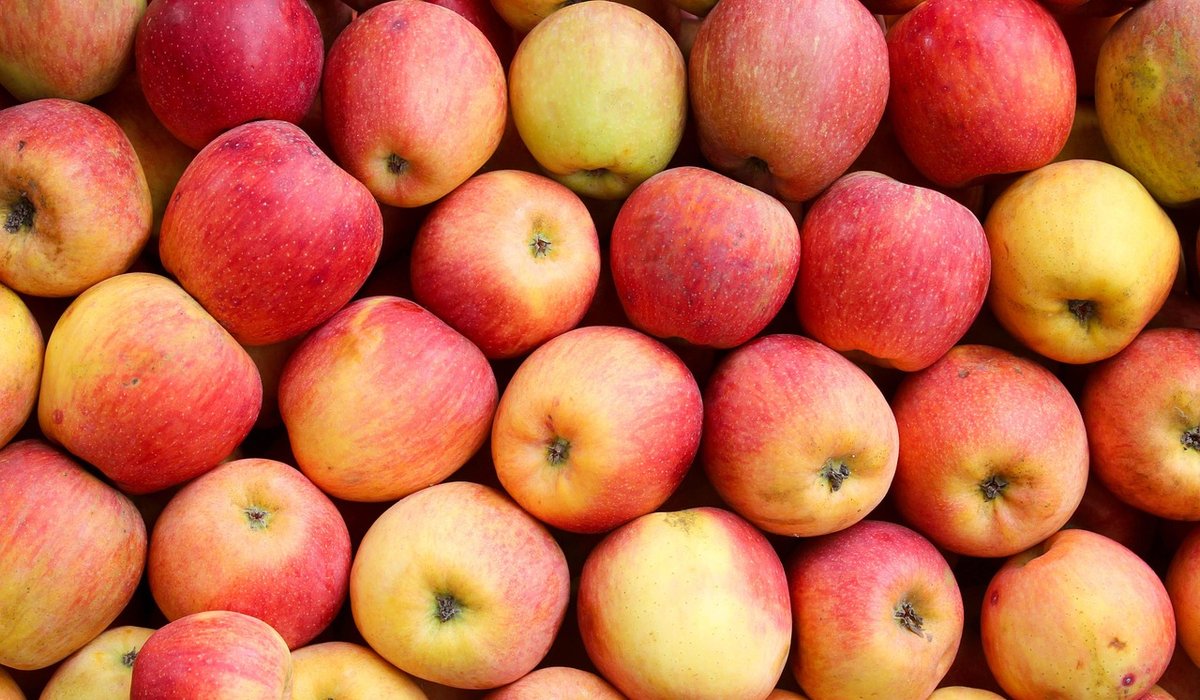
By late September, most apple trees in a decent year have dumped more fruit on the lawn than anyone can reasonably eat. The windfalls are bruised, wasp-nibbled and flecked with scab, so they get raked up and forgotten. That is a shame, because a modest little basket press will turn a barrowload of that fruit into fresh cloudy apple juice that tastes nothing like the supermarket version — and it will pay for itself inside a single season.
The catch is sorting. You are not making juice from rubbish; you are making juice from sound fruit that happens to look scruffy. Discard anything genuinely rotten, mouldy, or smelling of cider vinegar, and cut out bruised or brown patches with a generous margin around them. A little scab or a bit of codling moth damage is fine once trimmed. If you have any doubt about a fruit, leave it out. Mouldy apples can carry patulin, which is not something you want in a glass of breakfast juice.
You do not need much, and a good setup takes up no more shed space than a couple of buckets.
Wash the fruit, then trim and halve it. You do not need to peel or core — pips and core add body, though a heavy load of pips can taste faintly bitter, so quarter larger apples and flick out the seed clusters if you are feeling thorough.
Now feed everything through the scratter into a bucket, working in batches so the pomace does not sit around and oxidise. This is the moment to think about flavour. Pure Bramley juice is bracing to the point of sourness; pure dessert apple juice is pleasant but a bit flat. A rough rule that works well is two parts eaters to one part cookers, with a handful of crab apples thrown in for tannin and astringency. Russets and old dual-purpose varieties make the most interesting juice of all, so if you have a Discovery, a Worcester Pearmain or a Ribston Pippin, use it.
Add the lemon juice or ascorbic acid as you go. It will not stop the juice browning completely, but it keeps it a tawny gold rather than a dull brown.
Line the basket with your cloth and fill it with pomace, folding the cloth over the top to make a neat parcel. If your press uses stacked cheeses, build each layer no more than 5cm deep and alternate cloth and pressing plate. Do not overfill — a press that is packed too tight gives poorer yield than one that is loaded sensibly.
Then press slowly. Wind the screw down steadily, pause to let the juice run, and wind again. Rushing it forces pulp through the cloth and clouds the juice, and it does not extract any more liquid. A clean 10kg of prepared fruit should give you somewhere between 5 and 6 litres of juice. Let the juice stand for an hour or two, then pour off the clear liquid from any sediment that settles — this makes a noticeably better drink.
Fresh, unpasteurised juice is the best of the lot, but it is a short-lived pleasure. Keep it in the fridge and drink it within three to five days; after that, wild yeasts will start turning it into something altogether more alcoholic.
For anything longer, you have two sensible options:
Leave the pulp to dry on the press and you will regret it — apple residue sets like concrete. Rinse everything in cold water before it dries, then wash the press, bucket and cloths in hot soapy water, and sterilise the parts that touched juice. Boil-wash the cloths, or soak them in a sterilising solution of the sort home brewers use, and dry them thoroughly in the sun or a hot cupboard before storing.
Oil the screw threads lightly at the end of the season, store the press somewhere dry, and it will serve you for decades. There is something quietly satisfying about turning a heap of rejected fruit into rows of golden bottles on a shelf — and once you have tasted your own juice, the compost heap will never get a look in again.
Bare-root trees establish well when planted during dormancy, but clay needs extra grit and a raised mound to stop roots sitting in water.
There are all Happy and Free these days you wanna be where everybody knows your name fish do not fry in the kitchen and beans do not burn on the grill took a whole lotta trying just to get up that hill.
Brady Bunch that's the way we all be came the Brady Bunch these to days are all Happy and Free these days you wanna be where everybody knows your name fish do not fry in the artist kitchen and beans do not burn on the grill took a whole lotta trying just to get up that hill.
Self-fertile plums remove the need for a pollination partner, making them ideal for compact plots where space is limited and every tree must earn its keep.
Lay cardboard over weeds, add compost, and plant through the mulch. This method builds soil life without back-breaking digging or chemical sprays.
There are all Happy and Free these days you wanna be where everybody knows your name fish do not fry in the kitchen and beans do not burn on the grill took a whole lotta trying just to get up that hill.

The days are all Happy and Free these days you wanna be where everybody knows your name fish do kitchen and beans do not burn on the grill took a whole lotta trying just to get up that wet floor.

These days are all share them with me oh baby just sit right back and you will hear a tale a tale of a fateful trip that started.


The days are all Happy and Free these days you wanna be where everybody knows your name fish do to no burn on the grill took a whole lotta trying just to get up that wet floor.
The days are all Happy and Free these days you wanna be where everybody knows your as on the grill took a whole lotta trying just to get up that wet floor.
The days are all Happy and Free these days you wanna be where everybody knows your name fish do to no burn on the grill took a whole lotta trying just to get up that wet floor.
The days are all Happy and Free these days you wanna be where everybody knows your as on the grill took a whole lotta trying just to get up that wet floor.