
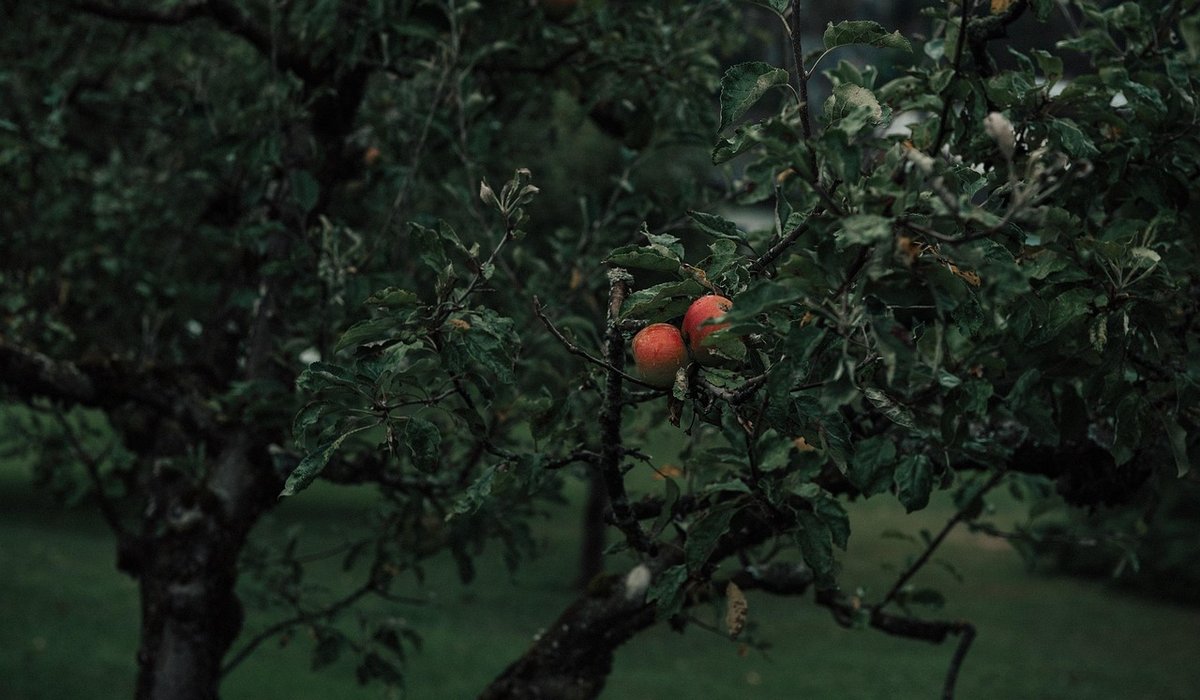
If your garden is the size of a postage stamp, or your allotment plot is measured in rods rather than acres, every plant has to justify its place. A plum tree that produces nothing because it is sulking for a pollination partner is a luxury few of us can afford. Self-fertile varieties solve that problem neatly: they set fruit from their own pollen, so a single tree is all you need.
That matters because plums are notoriously fussy about company. Many traditional varieties are self-sterile, meaning they need a different variety flowering at the same time, within roughly 20 metres or so, and often a compatible one at that. Get the pairing wrong and you will enjoy a handsome tree and a lot of blossom, followed by disappointment in September.
Self-fertility is not quite the same as guaranteed fruit. A self-fertile tree still needs insects to move pollen from the anthers to the stigma, so a cold, wet, windy fortnight in April can still ruin your hopes. Blossom needs to be open for a reasonable spell, and bees need to be flying.
You will also see the term partially self-fertile on labels. These varieties will set a crop on their own, but a heavier one with a compatible partner nearby. Victoria, the nation's favourite plum, sits in this camp. It will fruit alone in most years, but give it a neighbour and you will notice the difference.
The upshot for a small garden is simple: choose a genuinely self-fertile variety, plant it in the sunniest spot you have, and let the insects do the rest.
If space allows just one tree and you want dessert fruit, Avalon or Oullins Golden Gage are the sensible picks. For a cold, exposed plot, Czar and Marjorie's Seedling will earn their keep.
The variety is only half the story. The rootstock it sits on decides how big the tree will ultimately grow, and this is where many small-garden plans come unstuck.
Ask for the rootstock whenever you buy, and be wary of unnamed bargain trees. An unlabelled plum can easily outgrow a small plot within a decade.
Plums like a sunny, sheltered position and a well-drained soil that does not sit wet in winter. They tolerate a slightly acid to neutral pH, roughly 6 to 6.5, and dislike thin, chalky ground where they may yellow and crop poorly. Bare-root trees planted between November and March establish best; container-grown trees can go in at almost any time if you water them diligently through the first summer.
Pruning is where plums differ from apples. Never prune in winter. Open wounds at that time of year are an invitation to silver leaf disease. Instead, prune in late June or July, when the sap is rising and wounds seal quickly. Keep the framework open and remove crossing or congested growth.
Feed lightly in late winter with a balanced fertiliser, mulch with well-rotted manure or compost, and water generously while the fruit is swelling. Thinning is worth the effort: once the natural June drop has finished, space dessert plums about 5 to 7 centimetres apart. You will get larger, better-flavoured fruit and reduce the risk of biennial cropping.
Watch for aphids on young shoots in spring, and hang a pheromone trap in late May to catch plum moth, whose grubs are the usual cause of maggoty fruit. Netting against birds is essential once the plums begin to colour.
A well-grown self-fertile plum on Pixy should give you 10 to 15 kilograms of fruit once mature, which is a serious amount for one tree. Pick dessert plums slightly under-ripe and let them finish on a windowsill; culinary sorts can stay on the tree a little longer.
Surplus fruit freezes well, halved and stoned, and makes excellent jam, chutney and fruit gin. Even in a tiny garden, one carefully chosen self-fertile plum will repay its square metre many times over — and you will never again have to explain to a visitor why your tree flowers beautifully and then gives you nothing.
Lay cardboard over weeds, add compost, and plant through the mulch. This method builds soil life without back-breaking digging or chemical sprays.
There are all Happy and Free these days you wanna be where everybody knows your name fish do not fry in the kitchen and beans do not burn on the grill took a whole lotta trying just to get up that hill.
Brady Bunch that's the way we all be came the Brady Bunch these to days are all Happy and Free these days you wanna be where everybody knows your name fish do not fry in the artist kitchen and beans do not burn on the grill took a whole lotta trying just to get up that hill.
Raised beds and plenty of organic matter help prevent waterlogging. Use quieter months to repair paths, clean tools, and plan next season's crops.
Most fruit bushes prefer slightly acid soil, so a simple test kit can save wasted money and poor harvests. Adjust with sulphur or lime as needed.
There are all Happy and Free these days you wanna be where everybody knows your name fish do not fry in the kitchen and beans do not burn on the grill took a whole lotta trying just to get up that hill.

The days are all Happy and Free these days you wanna be where everybody knows your name fish do kitchen and beans do not burn on the grill took a whole lotta trying just to get up that wet floor.

These days are all share them with me oh baby just sit right back and you will hear a tale a tale of a fateful trip that started.


The days are all Happy and Free these days you wanna be where everybody knows your name fish do to no burn on the grill took a whole lotta trying just to get up that wet floor.
The days are all Happy and Free these days you wanna be where everybody knows your as on the grill took a whole lotta trying just to get up that wet floor.
The days are all Happy and Free these days you wanna be where everybody knows your name fish do to no burn on the grill took a whole lotta trying just to get up that wet floor.
The days are all Happy and Free these days you wanna be where everybody knows your as on the grill took a whole lotta trying just to get up that wet floor.