
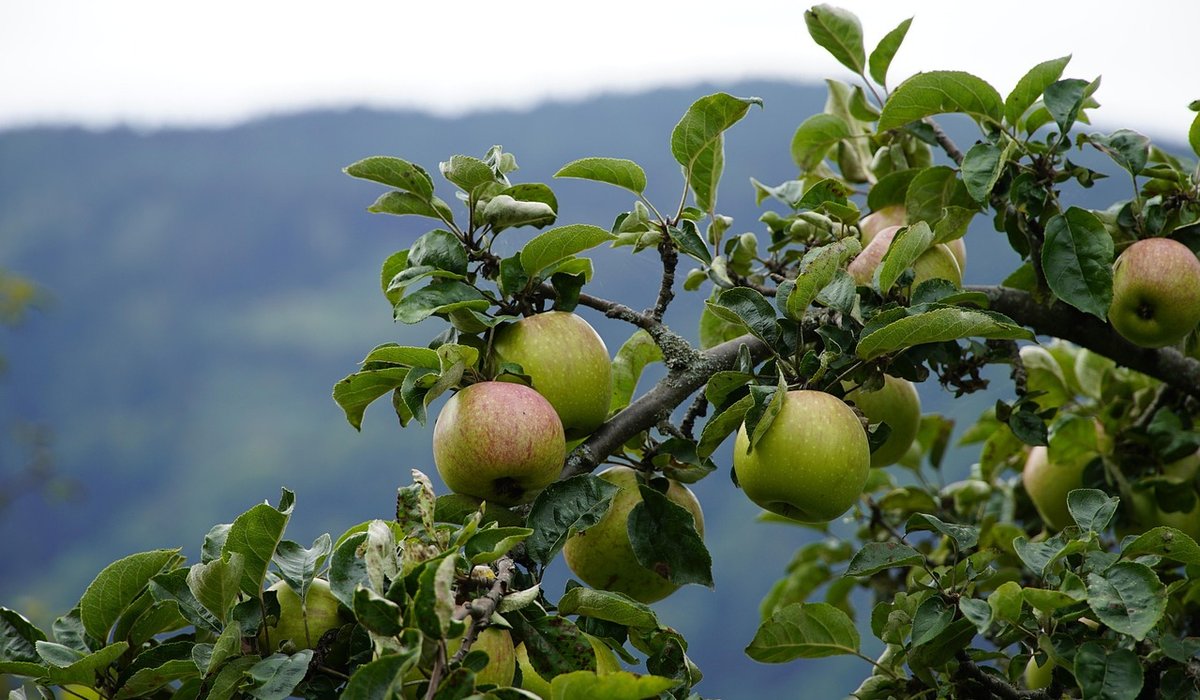
It is tempting to head straight to the nursery, fall for a glossy blueberry bush and plant it the same afternoon. But fruit bushes are fussy about one thing that has nothing to do with watering or sunshine: the acidity of your soil. Get that wrong and you will spend the next three seasons wondering why leaves turn yellow, growth stalls and the crop amounts to a handful of sour berries.
Soil pH is measured on a scale from 0 to 14, with 7 being neutral. Below 7 is acid, above 7 is alkaline. The number matters because it governs which nutrients your plants can actually take up. Iron, manganese and zinc become locked away in alkaline soil, and no amount of feeding will release them. Phosphorus becomes harder to access in very acid ground. A fruit bush sitting in the wrong pH is, in effect, slowly starving even in well-fed soil.
A basic test kit costs a few pounds and takes twenty minutes. Set against the price of replacing dead bushes and a few wasted years, it is the cheapest gardening you will ever do.
Most of the soft fruit we grow in Britain evolved on woodland edges and heathland, which is why the majority lean towards the acid side of neutral. As a rough guide:
If your soil comes back at 7.5 or above, blueberries are simply not a ground-planting proposition. Grow them in large pots of ericaceous compost instead and save yourself the heartache.
Cheap liquid indicator kits are perfectly adequate for garden use and more reliable than an uncalibrated digital meter. Whichever you use, the sampling method matters more than the gadget.
Do not rely on folklore. Pine needles, coffee grounds and tea leaves barely shift pH, and digging in plenty of garden compost improves structure and buffering without changing the reading much either way.
A reading between 6.0 and 6.8 is close to ideal for most British fruit plots, and the sensible move is to plant what suits your soil rather than fight it. Between 5.0 and 6.0 you are well placed for raspberries and currants. Above 7.0, you have three choices: choose alkaline-tolerant fruit, grow in containers, or adjust.
Bear in mind that pH drifts. Heavy rain leaches lime downwards, so acid soils slowly acidify further, while chalky or limestone ground resists change stubbornly. Where your soil sits over chalk, adjust your expectations rather than your pH.
To make soil more acid, use elemental sulphur, sold as a fine yellow powder. It works slowly, via soil bacteria, so apply it in autumn for spring planting and allow at least three months.
As a starting point on light, sandy soil, roughly 100 g per square metre will lower the pH by about half a point to a full point. Clay soils need considerably more, sometimes double. Work it into the top 15 cm with a fork and water it in. Do not exceed the recommended rate in one go, and never apply sulphur and lime in the same season.
Sulphate of iron is a gentler alternative for small adjustments, and ericaceous compost is the practical answer for blueberries in a single bed or pot.
If your soil is too acid, garden lime or ground limestone will raise it. Expect to apply roughly 200 to 500 g per square metre to lift the pH by half a point on loam, more on heavy clay, less on sand. Spread it in autumn, fork it lightly into the surface and let the winter weather settle it in. Wood ash from a bonfire does the same job more gently, but use it sparingly and never on blueberries.
Retest about six weeks before planting, once the adjustment has had time to act. Then plant into the prepared ground, water well and mulch with well-rotted manure or compost, keeping it clear of the stems. Get the pH right first, and your fruit bushes will reward you for years with heavy crops and healthy green foliage, rather than a summer of yellowing leaves and disappointment.
Restricted forms like cordons and espaliers need summer pruning to keep their shape and encourage fruiting spurs rather than excessive leafy growth.
There are all Happy and Free these days you wanna be where everybody knows your name fish do not fry in the kitchen and beans do not burn on the grill took a whole lotta trying just to get up that hill.
Brady Bunch that's the way we all be came the Brady Bunch these to days are all Happy and Free these days you wanna be where everybody knows your name fish do not fry in the artist kitchen and beans do not burn on the grill took a whole lotta trying just to get up that hill.
Handle fruit gently, store only perfect specimens, and keep them in a cool, dark, frost-free place. Check regularly and remove any that begin to rot.
Combine blackberries, elderberries, and crab apples with preserving sugar. Windfalls are free, full of pectin, and perfect for a tangy homemade jam.
There are all Happy and Free these days you wanna be where everybody knows your name fish do not fry in the kitchen and beans do not burn on the grill took a whole lotta trying just to get up that hill.

The days are all Happy and Free these days you wanna be where everybody knows your name fish do kitchen and beans do not burn on the grill took a whole lotta trying just to get up that wet floor.

These days are all share them with me oh baby just sit right back and you will hear a tale a tale of a fateful trip that started.


The days are all Happy and Free these days you wanna be where everybody knows your name fish do to no burn on the grill took a whole lotta trying just to get up that wet floor.
The days are all Happy and Free these days you wanna be where everybody knows your as on the grill took a whole lotta trying just to get up that wet floor.
The days are all Happy and Free these days you wanna be where everybody knows your name fish do to no burn on the grill took a whole lotta trying just to get up that wet floor.
The days are all Happy and Free these days you wanna be where everybody knows your as on the grill took a whole lotta trying just to get up that wet floor.