
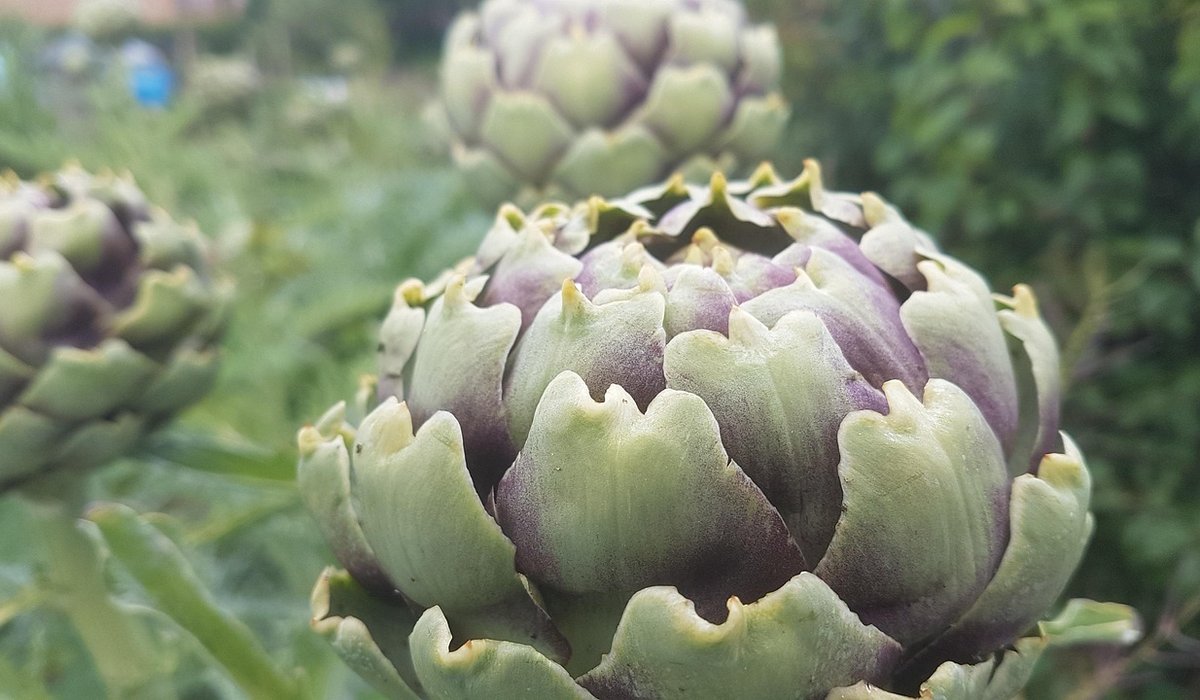
There is something deeply satisfying about a jar of dark, tangy jam made almost entirely from fruit that cost nothing. Come September, the hedgerows are groaning and the crab apple trees in parks, churchyards and forgotten corners of allotment sites are dropping fruit faster than anyone can sweep it up. Most of it goes to waste, which is a shame, because crab apples are the finest natural source of pectin a jam maker could ask for.
Blackberries bring colour and a sharp, brambly depth. Elderberries add something darker and more complex — a flavour a bit like port and blackcurrant combined. Pair them with crab apples and you get a jam that sets reliably, tastes of the British countryside, and costs you nothing but an afternoon's walk and a bag of sugar.
Go out with a few containers rather than one big bag, so soft berries don't get crushed under heavier apples. Late August to early October is your window, depending on where you are in the country.
Stay away from busy roadside verges where spray and exhaust settle, and pick above dog height. Wash everything well in a colander before you start, and discard any fruit with soft brown patches.
A reliable ratio is 1kg of prepared fruit to 1kg of sugar, with roughly a third of that fruit weight being crab apples. So for a typical batch: 500g blackberries, 200g elderberries and 300g crab apples, with 1kg of sugar.
Preserving sugar with added pectin gives you a safety net, particularly in a wet year when hedgerow fruit is low in natural pectin. If your crab apple crop is generous, ordinary granulated sugar will do perfectly well. Add the juice of one lemon for every kilogram of fruit — it sharpens the flavour and helps the set along.
You can leave the jam with visible pieces of fruit, or push it through a sieve for a smoother set. Leaving the elderberry pips in gives a slightly seedier texture, which most people forgive once they taste it.
Put two or three saucers in the freezer before you start boiling. After ten minutes, drop a teaspoon of jam onto a chilled saucer and let it cool for a minute. Push it with your finger: if the surface wrinkles and the jam holds its shape rather than running, it's ready. If not, boil for another three minutes and test again.
A jam thermometer takes the guesswork out of it — you're looking for 104 to 105°C, a few degrees above the boiling point of water. Remember that jam sets as it cools, so don't panic if it looks loose straight from the pan.
Sterilise your jars by washing them in hot soapy water, rinsing, and drying them in a low oven at around 140°C for fifteen minutes. Pot the jam while both jars and jam are hot, filling to within a few millimetres of the rim. Cover with a wax disc and seal immediately.
Label with the date and keep in a cool, dark cupboard, where it will last a year or more. Once opened, store in the fridge and use within a few weeks. This jam is superb on hot buttered toast, stirred into porridge, or spooned alongside roast pork, game or a sharp cheddar.
Once you've made it a few times, start playing. A few sloes or damsons added with the blackberries give a wonderful tartness. A strip of orange zest in the pan, fished out before potting, lifts the whole thing. Windfall cooking apples work in place of crab apples, though you'll want a little more lemon juice to compensate. Whatever you do, make more than you think you need — hedgerow jam has a habit of disappearing.
A timber frame covered with netting keeps birds from stripping currants and gooseberries. Make panels removable for easy picking and winter maintenance.
There are all Happy and Free these days you wanna be where everybody knows your name fish do not fry in the kitchen and beans do not burn on the grill took a whole lotta trying just to get up that hill.
Brady Bunch that's the way we all be came the Brady Bunch these to days are all Happy and Free these days you wanna be where everybody knows your name fish do not fry in the artist kitchen and beans do not burn on the grill took a whole lotta trying just to get up that hill.
Rhubarb tolerates partial shade and heavy soil, rewarding gardeners with thick stalks for crumbles. Mulch generously and avoid harvesting in the first season.
Sow wildflower seed along boundary strips to feed pollinators and predatory insects. This supports fruit set and reduces pest problems without spraying.
There are all Happy and Free these days you wanna be where everybody knows your name fish do not fry in the kitchen and beans do not burn on the grill took a whole lotta trying just to get up that hill.

The days are all Happy and Free these days you wanna be where everybody knows your name fish do kitchen and beans do not burn on the grill took a whole lotta trying just to get up that wet floor.

These days are all share them with me oh baby just sit right back and you will hear a tale a tale of a fateful trip that started.


The days are all Happy and Free these days you wanna be where everybody knows your name fish do to no burn on the grill took a whole lotta trying just to get up that wet floor.
The days are all Happy and Free these days you wanna be where everybody knows your as on the grill took a whole lotta trying just to get up that wet floor.
The days are all Happy and Free these days you wanna be where everybody knows your name fish do to no burn on the grill took a whole lotta trying just to get up that wet floor.
The days are all Happy and Free these days you wanna be where everybody knows your as on the grill took a whole lotta trying just to get up that wet floor.