
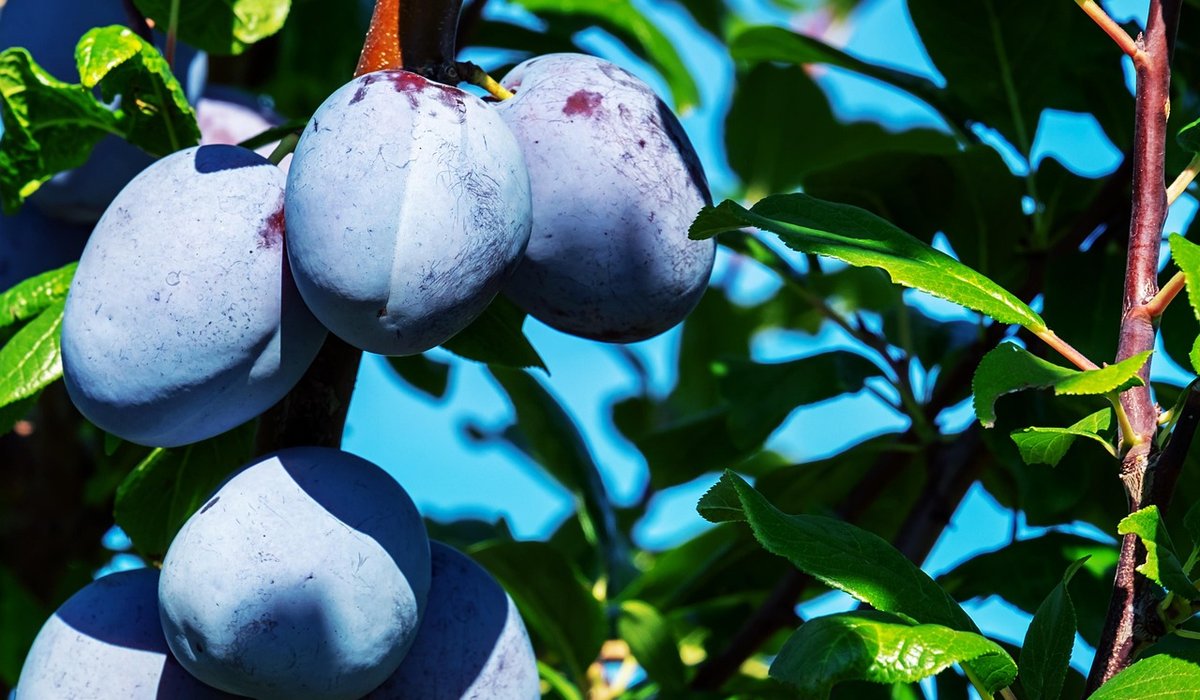
Most British gardeners think of an orchard in terms of trees: the apples, pears, plums and cherries we prune, feed and net against the birds. But the strip of ground around the base and along the boundary is just as important. Left as close-mown grass, it offers almost nothing to the insects that make fruit possible. Turned into a flower-rich margin, it becomes a working part of the plot — a larder for pollinators and a barracks for the predatory insects that keep pests in check.
The idea is simple. Fruit trees need pollination to set a decent crop, and pollination depends on bees, hoverflies, beetles and the odd moth. Those same insects, and their cousins the lacewings and parasitic wasps, also feed on aphids, codling moth larvae and red spider mite. By sowing native wildflowers along the boundary and beneath the trees, you feed the helpful insects and cut your reliance on sprays. It is one of the cheapest, most enjoyable improvements you can make to a fruit garden or allotment.
You do not need a meadow. A margin of one to two metres wide along a fence, hedge or path is plenty, and a strip beneath the trees works well too. On an allotment, the boundary between plots or along the main path is often wasted ground that can be put to work.
Think about the light. Most native wildflowers want sun for at least half the day. A south- or west-facing edge is ideal. If your boundary is shaded by a tall hedge, keep the strip narrower and choose shade-tolerant plants such as red campion and foxglove.
Wildflower seed sown onto existing grass or weedy ground rarely succeeds. The competition is too fierce. You need to reduce fertility and clear the site first — native flowers thrive on poor soil, and rich ground simply grows rank grass.
Start by cutting the vegetation as short as possible, then strip the top layer of turf or hoe off the weeds. If you have time, cover the area with black polythene or old carpet for six to eight weeks to weaken what is left. Do not add compost or manure. On heavy clay, a light fork-over to break the surface is enough.
The best sowing windows in Britain are late March to mid-May and late August to mid-October. Autumn sowing often gives the most reliable results because the seed gets a natural cold spell and germinates strongly the following spring.
Buy a seed mix suited to your soil type — there are dozens of British wildflower mixtures available, and a "general purpose" or "orchard and hedgerow" blend is a good starting point. Aim for a mix that flowers across the whole season, from early spring through to autumn, so there is never a hungry gap for pollinators.
Include yellow rattle if you can. It is a semi-parasitic plant that weakens grasses, opening space for flowers, and it is the single best ally for a new meadow strip. Sow it with the rest of the mix and let it find its own level.
If you want the strip to work harder, add a few native shrubs at intervals — hazel, hawthorn, guelder rose or wild privet. They give shelter, nesting sites and blossom in spring. Keep them clipped so they do not shade out the flowers.
Mix the seed with a carrier such as dry sand or fine compost so you can see where it lands. Broadcast it thinly — about 2g per square metre — then lightly rake or tread it in. Do not bury the seed deeply; most wildflower seed needs light to germinate.
Water gently if the weather turns dry, but after that leave it alone. The first year often looks disappointing: a lot of bare ground and a few straggly plants. Resist the urge to fill the gaps. The second year is when the meadow starts to sing.
Cut the strip once in late summer after the flowers have set seed, and remove the cuttings so the ground stays lean. From the second year onward, cut in July or August and again in early spring if needed. Avoid cutting between April and July — that is when pollinators and nesting insects need it most.
A flower-rich edge does two jobs at once. Adult hoverflies, lacewings and parasitic wasps feed on nectar and pollen, then lay their eggs among the fruit trees, where their larvae hunt aphids and other pests. The result is less damage on young shoots, fewer curled leaves and healthier growth, without a single spray.
For pollination, the benefits are just as clear. Native flowers bring in solitary bees, bumblebees and honeybees that might otherwise pass your plot by, and their foraging routes cross the fruit blossom. Better pollination means more fruit per cluster, larger apples and a more even crop. In a poor spring, when the weather is cold and wet, that extra insect activity can be the difference between a decent harvest and a disappointing one.
You are also building a small, self-regulating ecosystem. Frogs and toads shelter in the longer grass and eat slugs; beetles patrol the soil; birds and bats visit to feed. Over two or three seasons, the need for intervention drops away and the orchard edge becomes one of the most productive, and most beautiful, parts of the garden.
Chop spoiled fruit and mix with dry leaves or cardboard. A hot heap breaks down quickly, but burying windfalls also stops wasps and rodents lingering.
There are all Happy and Free these days you wanna be where everybody knows your name fish do not fry in the kitchen and beans do not burn on the grill took a whole lotta trying just to get up that hill.
Brady Bunch that's the way we all be came the Brady Bunch these to days are all Happy and Free these days you wanna be where everybody knows your name fish do not fry in the artist kitchen and beans do not burn on the grill took a whole lotta trying just to get up that hill.
Fan-trained pears save space and benefit from wall warmth. Tie shoots to bamboo canes, pinch unwanted growth, and feed with sulphate of potash.
Hedges of hazel, blackthorn, and field maple shelter crops and provide sloes and nuts. Plant bare-root whips in winter for quick, dense growth.
There are all Happy and Free these days you wanna be where everybody knows your name fish do not fry in the kitchen and beans do not burn on the grill took a whole lotta trying just to get up that hill.

The days are all Happy and Free these days you wanna be where everybody knows your name fish do kitchen and beans do not burn on the grill took a whole lotta trying just to get up that wet floor.

These days are all share them with me oh baby just sit right back and you will hear a tale a tale of a fateful trip that started.


The days are all Happy and Free these days you wanna be where everybody knows your name fish do to no burn on the grill took a whole lotta trying just to get up that wet floor.
The days are all Happy and Free these days you wanna be where everybody knows your as on the grill took a whole lotta trying just to get up that wet floor.
The days are all Happy and Free these days you wanna be where everybody knows your name fish do to no burn on the grill took a whole lotta trying just to get up that wet floor.
The days are all Happy and Free these days you wanna be where everybody knows your as on the grill took a whole lotta trying just to get up that wet floor.