
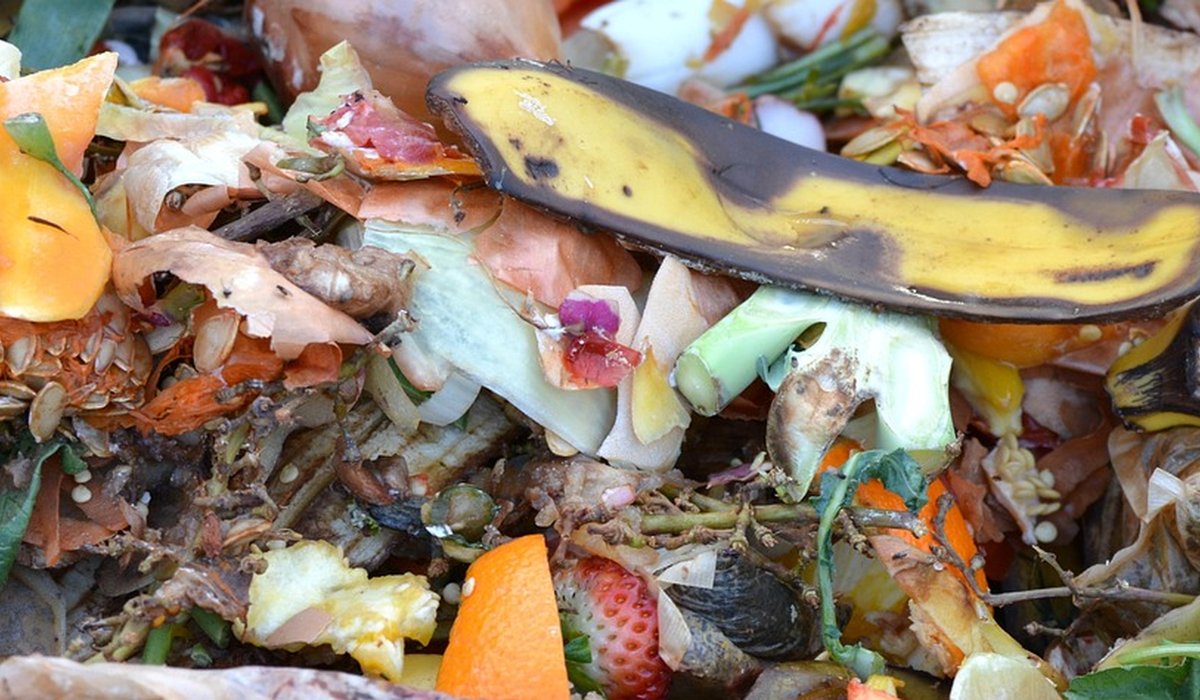
If you grow apples in a British garden or allotment, you'll know the autumn glut well. After a day of peeling and coring for pies, crumbles, and chutneys, you're left with a mountain of skins and cores. Most of us compost them, which is fine. But those leftovers are packed with wild yeasts and flavour. With nothing more than water, sugar, and a bit of patience, you can turn them into a tangy, amber cider vinegar that costs pennies and tastes far better than most supermarket bottles. It's a traditional store-cupboard skill, perfect for allotmenteers who like to waste nothing.
Gather your equipment before you start. You don't need anything fancy, but cleanliness matters.
This is a two-stage process, but the first stage is the one that does the heavy lifting. Put your apple peel and cores into your jar or bucket. Pour over the water and add the sugar. Stir well with the wooden spoon to dissolve the sugar. The peel should be submerged – if it floats, weigh it down with a clean plate or a zip-lock bag filled with water. Cover the jar with your cloth and secure it with string.
Keep the jar at room temperature, around 18–22°C, out of direct sunlight. A kitchen corner or a cool cupboard is ideal. Stir the mixture once a day for the first week. You'll soon see bubbles rising – that's the wild yeasts on the apple skins starting to ferment the sugar into alcohol. After about seven days, the vigorous bubbling will slow. Leave it for another one to two weeks. The liquid will become cloudy and smell vaguely of cider.
After two to three weeks, strain the liquid through a fine sieve or a muslin-lined colander into a clean jar. Discard the spent peel and cores – they've done their job. Now you have a rough cider. To turn it into vinegar, you need acetic acid bacteria. These are everywhere in the air, especially in a garden or allotment. Pour the strained liquid back into a clean jar, cover again with cloth, and leave it somewhere warm and dark. Stir occasionally.
Over the next three to six weeks, the liquid will slowly transform. The alcohol becomes acetic acid. You'll notice a thin, gelatinous film forming on top – that's the "mother", a sign that things are going well. Taste it after three weeks. It should be sharp and vinegary, with a pleasant apple tang. If it's still sweet or alcoholic, leave it longer. Once it tastes right, it's ready.
Sterilise your bottles by washing them in hot soapy water, rinsing, and drying in a low oven (around 120°C) for 15 minutes. Let them cool. Funnel the vinegar into the bottles, leaving a small gap at the top. Seal with airtight caps or corks. Store in a cool, dark place. The vinegar will keep for a year or more, and it may continue to develop a mother – that's fine, and you can use it to start your next batch.
Use your cider vinegar in salad dressings with olive oil, mustard, and a little honey. Add a splash to chutneys, pickles, and marinades. It's also brilliant for deglazing a pan after frying onions, or for making a refreshing shrub with sparkling water. And because you made it from leftovers, every bottle is a small victory for the allotment.
Chickens scratch up seedlings and dust-bathe in soft soil. Simple hurdles, netting, or movable pens protect beds while allowing birds to range elsewhere.
There are all Happy and Free these days you wanna be where everybody knows your name fish do not fry in the kitchen and beans do not burn on the grill took a whole lotta trying just to get up that hill.
Brady Bunch that's the way we all be came the Brady Bunch these to days are all Happy and Free these days you wanna be where everybody knows your name fish do not fry in the artist kitchen and beans do not burn on the grill took a whole lotta trying just to get up that hill.
Carrots, beetroot, and swedes keep for months in sand-filled boxes or a traditional earth clamp. Choose dry, undamaged roots and keep them cool.
Cut out older wood after picking, leaving strong young shoots to carry next season's fruit. Remove low branches so air circulates and pickers can reach easily.
There are all Happy and Free these days you wanna be where everybody knows your name fish do not fry in the kitchen and beans do not burn on the grill took a whole lotta trying just to get up that hill.

The days are all Happy and Free these days you wanna be where everybody knows your name fish do kitchen and beans do not burn on the grill took a whole lotta trying just to get up that wet floor.

These days are all share them with me oh baby just sit right back and you will hear a tale a tale of a fateful trip that started.


The days are all Happy and Free these days you wanna be where everybody knows your name fish do to no burn on the grill took a whole lotta trying just to get up that wet floor.
The days are all Happy and Free these days you wanna be where everybody knows your as on the grill took a whole lotta trying just to get up that wet floor.
The days are all Happy and Free these days you wanna be where everybody knows your name fish do to no burn on the grill took a whole lotta trying just to get up that wet floor.
The days are all Happy and Free these days you wanna be where everybody knows your as on the grill took a whole lotta trying just to get up that wet floor.