
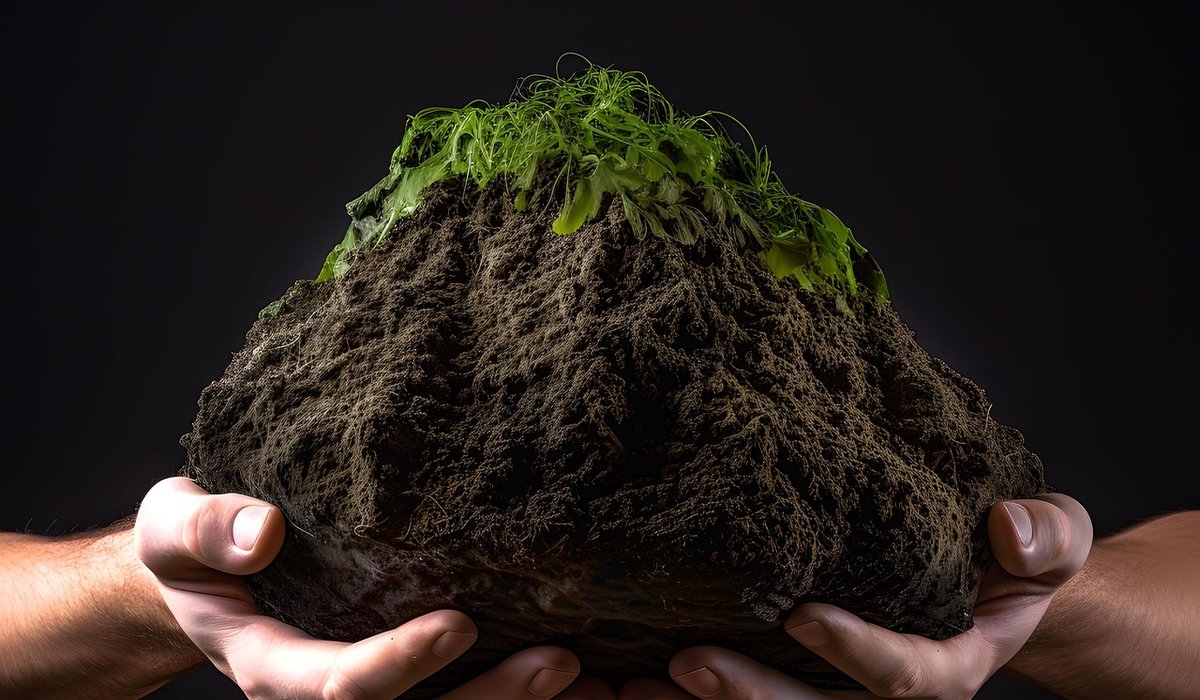
If you grow the same vegetables in the same spot year after year, you're inviting trouble. Soil-borne diseases such as clubroot in brassicas, white rot in onions and garlic, and potato eelworm build up in the soil. They don't just disappear; they wait for their favourite host plant to return. Crop rotation is simply the practice of moving plant families around your beds each season. It starves these pests and diseases, improves soil fertility, and helps you make the most of your space. Even a modest three-bed rotation can make a real difference.
Before you plan, group your crops by family. The main ones for a British kitchen garden are:
For a small plot, focus on the big three: legumes, brassicas, and roots. They form the backbone of a simple rotation.
The easiest system for a small kitchen garden is a three-bed rotation. Divide your growing space into three roughly equal parts. Each year, move each group one bed along.
Next year, shift everything one bed to the right: legumes move to Bed 2, brassicas to Bed 3, roots to Bed 1. The following year, shift again. After three years, you're back to the start. This simple cycle prevents disease build-up and keeps your soil healthy. If you have room for a fourth bed, add potatoes and alliums as a separate group.
Not everything fits neatly into three beds. Here's how to handle the rest:
Even if you can't rotate everything perfectly, moving your main crops is far better than doing nothing. A simple three-bed rotation helps beans, brassicas, and roots thrive.
Let's put it into practice. Imagine you have three raised beds, each 1.2m by 2.4m. Here is a three-year plan:
After year three, start again. Keep a notebook or a simple spreadsheet. Mark each bed with a label. Add compost to the legume bed in autumn. Lime the brassica bed in winter if needed. Never lime before planting potatoes, but since potatoes are optional here, you can lime the brassica bed freely. For roots, avoid fresh manure; use leafmould or well-rotted compost from the previous year.
If you have a disease outbreak, such as clubroot, remove and destroy the affected plants. Do not compost them. Extend the rotation for that family to five or six years if possible.
Remove crowded fruitlets in early summer so remaining apples size up well. Thinning also reduces the chance of a heavy crop followed by a barren season.
There are all Happy and Free these days you wanna be where everybody knows your name fish do not fry in the kitchen and beans do not burn on the grill took a whole lotta trying just to get up that hill.
Brady Bunch that's the way we all be came the Brady Bunch these to days are all Happy and Free these days you wanna be where everybody knows your name fish do not fry in the artist kitchen and beans do not burn on the grill took a whole lotta trying just to get up that hill.
Cover peel and cores with water, add sugar, and leave to ferment. Strain after a few weeks, then bottle the vinegar for dressings and chutneys.
Chickens scratch up seedlings and dust-bathe in soft soil. Simple hurdles, netting, or movable pens protect beds while allowing birds to range elsewhere.
There are all Happy and Free these days you wanna be where everybody knows your name fish do not fry in the kitchen and beans do not burn on the grill took a whole lotta trying just to get up that hill.

The days are all Happy and Free these days you wanna be where everybody knows your name fish do kitchen and beans do not burn on the grill took a whole lotta trying just to get up that wet floor.

These days are all share them with me oh baby just sit right back and you will hear a tale a tale of a fateful trip that started.


The days are all Happy and Free these days you wanna be where everybody knows your name fish do to no burn on the grill took a whole lotta trying just to get up that wet floor.
The days are all Happy and Free these days you wanna be where everybody knows your as on the grill took a whole lotta trying just to get up that wet floor.
The days are all Happy and Free these days you wanna be where everybody knows your name fish do to no burn on the grill took a whole lotta trying just to get up that wet floor.
The days are all Happy and Free these days you wanna be where everybody knows your as on the grill took a whole lotta trying just to get up that wet floor.