
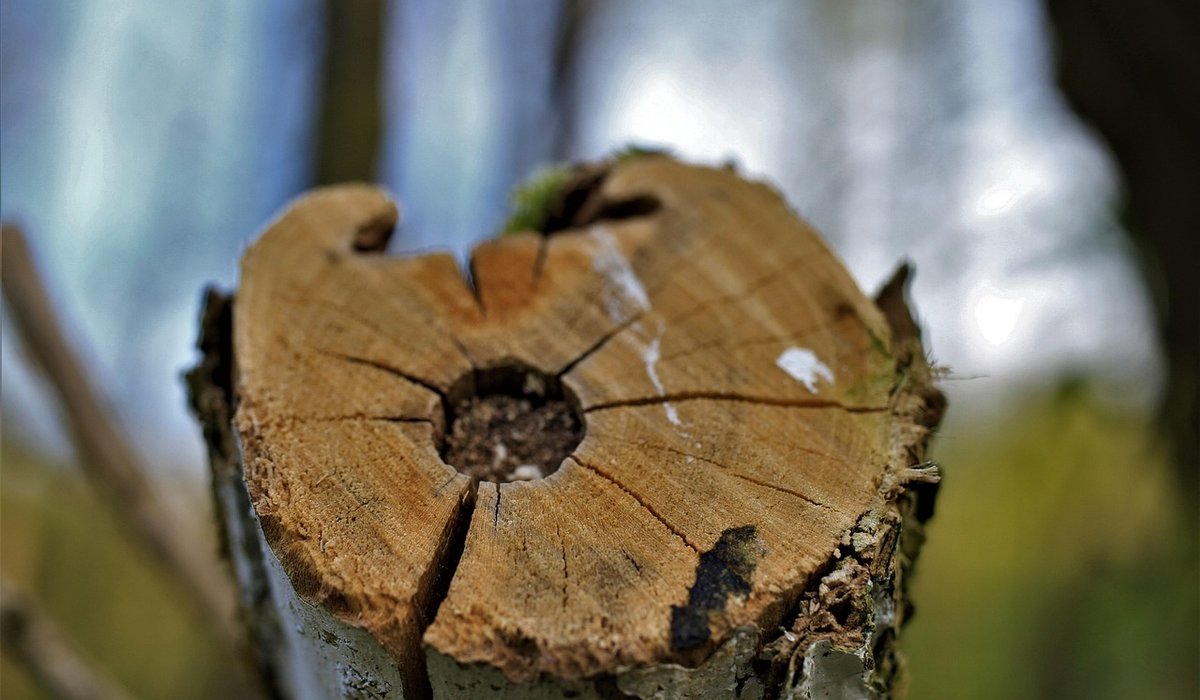
By mid-September most British gardeners have more apples than they know what to do with. The temptation is to shovel the bruised and bird-pecked ones into a heap behind the shed and forget about them. That heap, unfortunately, is a wasp magnet, a rat larder and a nursery for brown rot. A single fermenting apple sends out a plume of sweetness that wasps can detect from a long way off, and once they've found it they'll keep coming back. Rodents are just as quick to notice, particularly if the pile sits near a hedge, compost bin or shed wall where they already run.
Whole fruit is also a problem for the compost itself. Apples are wet and nitrogen-rich, so a bucketful dumped in one go collapses into a slippery mat that squeezes out the air. Without air the heap goes anaerobic, turns sour and smells like vinegar and drains. The fix is simple: chop them up and mix them with something dry.
Thorough chopping is the single biggest favour you can do yourself. Quartered or roughly smashed fruit breaks down in days rather than months, because the microbes can get at the flesh straight away. A boot heel on a paving slab works, as does a sharp spade in a bucket, or the flat of a spade on a wooden board.
Once chopped, treat the fruit as a green and pair it with plenty of browns. Fallen leaves are ideal in autumn, and so is torn cardboard, egg boxes, shredded paper and woodchip. Aim for roughly two to three parts browns to one part fruit by volume, then check the feel: the finished mix should be about as damp as a wrung-out sponge, not dripping.
Size matters more than any additive. A heap of around one cubic metre — roughly a metre wide, a metre high and a metre deep — will hold heat; a small plastic bin of chopped apples never will. Build in layers: about 15cm of fruit, then 30cm of leaves or card, then a dusting of soil, and repeat. Water each layer if the materials are dry.
Cover the heap with a tarpaulin or a piece of old carpet to keep the rain out and the warmth in, but don't seal it tight or it will sweat and go sour. A well-built heap should reach 55–65°C within a few days. Push a long-stemmed thermometer into the middle, or a metal bar you can judge by touch, and turn the heap whenever the temperature drops to around 40°C — usually every two to three weeks. Two or three turns across the autumn will give you usable compost by spring.
One honest caveat: a domestic heap rarely stays hot enough for long enough to kill brown rot spores reliably. If your fruit is covered in the grey-brown rings of Monilinia, or has the tell-tale exit holes of codling moth, don't rely on the heap. Put those in the council green waste collection instead, where commercial composting reaches far higher temperatures.
If you have only one bin, a small plot, or neighbours who object to wasps, burial is the neatest answer. Dig a trench or a series of holes about a spade's depth, roughly 25–30cm, drop in the chopped windfalls and cover with at least 15cm of soil. Firm it down and mark the spot with a cane. There's no smell, nothing for wasps to find and nothing for rats to raid — the worms and soil fungi do the work quietly out of sight.
Leave the ground for three to six months, then plant over it. Brassicas, beans and courgettes all crop well on the enriched soil. Move the burial spot each year so you're not repeatedly concentrating pests and nutrients in one place, and keep it well away from the trunks of young trees, where buried fruit can attract mice that will then strip bark.
Windfall-heavy compost is rich in potash, which makes it excellent for tomatoes, fruit bushes and flowering shrubs. Sieve out any woody stalks, then spread it as a 5cm mulch in spring once it smells sweet and earthy. A little chopping, a decent layer of cardboard or leaves, and an autumn nuisance becomes free fertility for next year's plot.
Fan-trained pears save space and benefit from wall warmth. Tie shoots to bamboo canes, pinch unwanted growth, and feed with sulphate of potash.
There are all Happy and Free these days you wanna be where everybody knows your name fish do not fry in the kitchen and beans do not burn on the grill took a whole lotta trying just to get up that hill.
Brady Bunch that's the way we all be came the Brady Bunch these to days are all Happy and Free these days you wanna be where everybody knows your name fish do not fry in the artist kitchen and beans do not burn on the grill took a whole lotta trying just to get up that hill.
Hedges of hazel, blackthorn, and field maple shelter crops and provide sloes and nuts. Plant bare-root whips in winter for quick, dense growth.
Autumn-fruiting raspberries crop on new canes, so they suit large pots. Use loam-based compost, water regularly, and cut all canes to ground in late winter.
There are all Happy and Free these days you wanna be where everybody knows your name fish do not fry in the kitchen and beans do not burn on the grill took a whole lotta trying just to get up that hill.

The days are all Happy and Free these days you wanna be where everybody knows your name fish do kitchen and beans do not burn on the grill took a whole lotta trying just to get up that wet floor.

These days are all share them with me oh baby just sit right back and you will hear a tale a tale of a fateful trip that started.


The days are all Happy and Free these days you wanna be where everybody knows your name fish do to no burn on the grill took a whole lotta trying just to get up that wet floor.
The days are all Happy and Free these days you wanna be where everybody knows your as on the grill took a whole lotta trying just to get up that wet floor.
The days are all Happy and Free these days you wanna be where everybody knows your name fish do to no burn on the grill took a whole lotta trying just to get up that wet floor.
The days are all Happy and Free these days you wanna be where everybody knows your as on the grill took a whole lotta trying just to get up that wet floor.