
If you have ever grown summer raspberries, you will know the fiddle: tying in this year's canes, cutting out last year's, and trying to remember which is which. Autumn-fruiting raspberries spare you all of that. They crop on canes produced in the same year, growing up from the crown in spring, flowering in late summer and fruiting from late August until the first sharp frosts. There is no biennial tangle to unpick, no complicated pruning, and — best of all for anyone with a patio — no need for a permanent fruit cage in the open ground.
That habit of fruiting on new wood is exactly what makes them so well suited to pots. A container crop does not have to be established for years before it pays its way. Plant a cane in late winter or early spring and you can reasonably expect a modest picking in the first autumn, and a proper one the year after. The canes stay compact enough for a sunny corner, and because you control the compost and the watering, you can give them the consistently moist, fertile root run that raspberries crave.
Look for varieties described as primocane or autumn-fruiting. Autumn Bliss remains the reliable old favourite, with good flavour and a long picking window. Joan J is spineless, which makes picking far more pleasant, and crops heavily. Polka is early and productive, while All Gold gives you yellow fruit that the birds seem to overlook, and Autumn Treasure is worth trying for larger berries.
Pot size matters more than most people expect. Raspberries are shallow-rooted but thirsty, and a small pot will dry out between breakfast and lunch. Allow a pot of at least 45cm (18in) across for three canes, and go up to 60cm (24in) for five. Terracotta looks lovely but dries out fast; glazed ceramic or a good-quality plastic pot holds moisture better. Whatever you choose, it must have generous drainage holes and should be stood on pot feet so water never sits underneath.
Position the pot in full sun if you can — six hours or more — though autumn raspberries will tolerate a little light shade. A south- or west-facing wall is ideal, and the warmth reflected off brickwork will help the fruit ripen in a dodgy September.
Multipurpose compost alone is too light and dries out too quickly for a long-term crop like this. Use a loam-based compost instead — John Innes No. 3 is the standard choice — which holds water and nutrients far better and gives the roots something substantial to grip. Mix in a couple of handfuls of garden compost or well-rotted manure and a slow-release general fertiliser at the rate on the packet.
Plant bare-root canes in late winter, or potted canes at almost any time of year provided you keep them watered. Set them so the old soil mark sits about 5cm below the surface — deeper than you would in open ground, which encourages fresh roots to break from the stem. Space canes about 10cm apart within the pot and firm the compost gently around them.
Finish with a 3cm mulch of bark chippings or gravel. This slows evaporation and, in the case of gravel, makes life harder for vine weevil, the one pest that will reliably ruin a container raspberry.
Watering is the whole game in containers. From the moment growth starts in spring, check the compost daily with a finger. In summer, a mature pot may need a full watering can every morning and another in the evening during hot spells. Aim for consistently moist, never sodden and never bone dry. If the compost dries out while the fruit is swelling, you will get small, seedy berries and the whole crop will finish early.
Start feeding when the flower buds appear, switching to a high-potassium tomato feed at weekly intervals and carrying on until the last fruits are picked. Nitrogen-heavy feeds at this stage give you leafy canes and very little fruit.
Autumn varieties grow tall and top-heavy, and a pot on a windy patio will topple. Push three or four bamboo canes into the compost around the edge and loop garden twine around them at two heights to make a simple cage, or drop a small metal obelisk into the pot. Tie in the new canes loosely as they rise.
Pick when the berries come away from the core with a gentle tug — if you have to pull hard, they are not ready. Eat them the same day if you can; autumn raspberries have a short shelf life and their flavour is best within hours of picking. Cropping usually runs from late August into October, and often into November in a mild year, which makes them a fine thing to have on the doorstep when the rest of the plot is winding down.
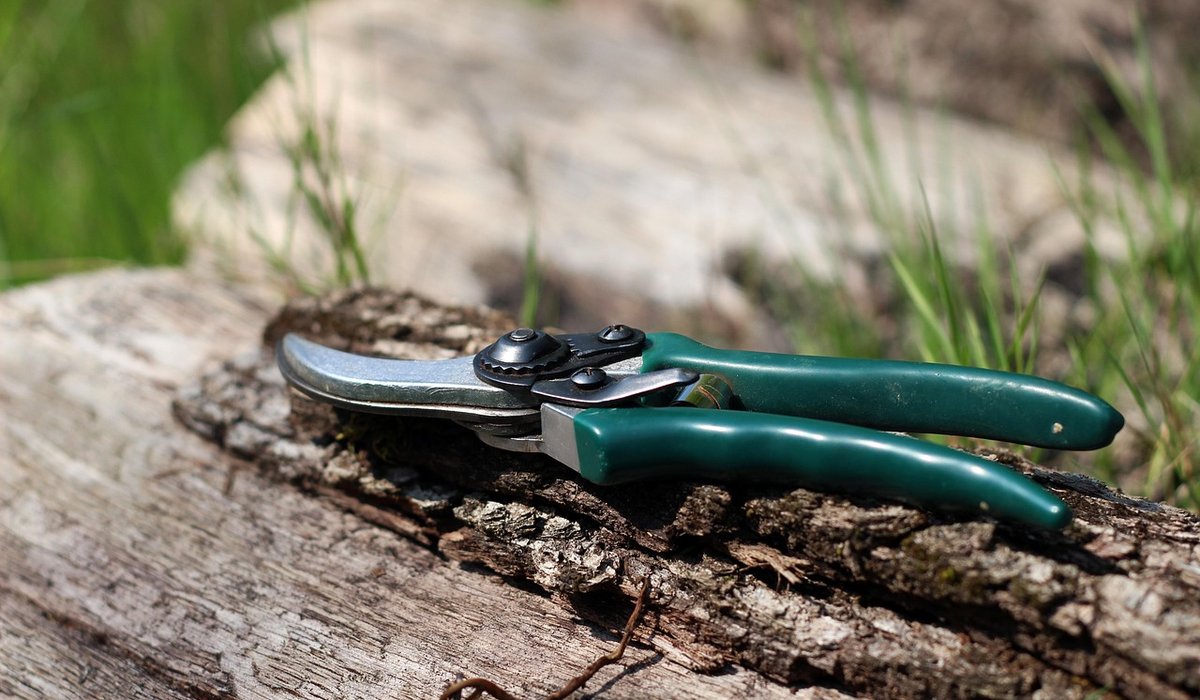
Then comes the easy part. In late winter — around February, once the worst of the weather has passed — cut every cane right down to ground level and clear the debris. There is no selection to make, no old wood to identify, no tying in. Fresh canes will push up in spring and the cycle begins again. Top up the compost with fresh loam-based material each spring, and after three or four years lift the canes, replace the top half of the compost entirely, and replant. Do that and a single large pot will keep you in raspberries for years.
Spread well-rotted manure or compost in autumn and let worms work it in. Avoid walking on wet beds, which compacts clay and harms drainage.
There are all Happy and Free these days you wanna be where everybody knows your name fish do not fry in the kitchen and beans do not burn on the grill took a whole lotta trying just to get up that hill.
Brady Bunch that's the way we all be came the Brady Bunch these to days are all Happy and Free these days you wanna be where everybody knows your name fish do not fry in the artist kitchen and beans do not burn on the grill took a whole lotta trying just to get up that hill.
Group crops by family and move them each season to prevent soil-borne diseases. Even a simple three-bed rotation helps beans, brassicas, and roots thrive.
Remove crowded fruitlets in early summer so remaining apples size up well. Thinning also reduces the chance of a heavy crop followed by a barren season.
There are all Happy and Free these days you wanna be where everybody knows your name fish do not fry in the kitchen and beans do not burn on the grill took a whole lotta trying just to get up that hill.

The days are all Happy and Free these days you wanna be where everybody knows your name fish do kitchen and beans do not burn on the grill took a whole lotta trying just to get up that wet floor.

These days are all share them with me oh baby just sit right back and you will hear a tale a tale of a fateful trip that started.


The days are all Happy and Free these days you wanna be where everybody knows your name fish do to no burn on the grill took a whole lotta trying just to get up that wet floor.
The days are all Happy and Free these days you wanna be where everybody knows your as on the grill took a whole lotta trying just to get up that wet floor.
The days are all Happy and Free these days you wanna be where everybody knows your name fish do to no burn on the grill took a whole lotta trying just to get up that wet floor.
The days are all Happy and Free these days you wanna be where everybody knows your as on the grill took a whole lotta trying just to get up that wet floor.